
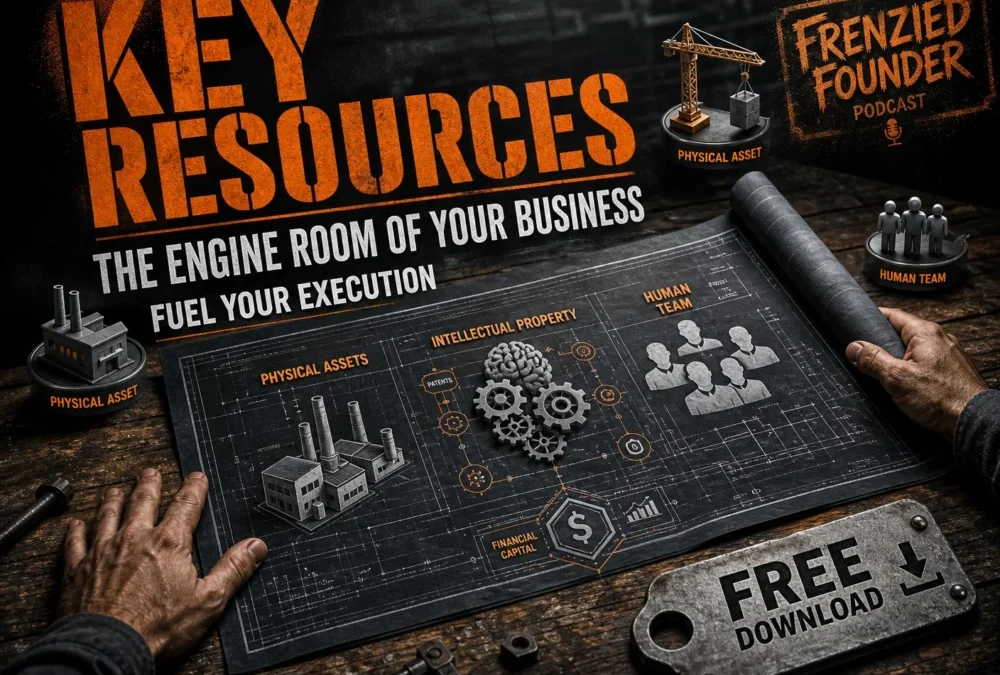
When using a professional business model canvas template, outlining your operational assets is essential. Key resources are the most important assets required to make a business model work. Every business model needs them to function properly.
When mapping out "each of the 9 boxes" in an operational framework, this block focuses on the engine room. These assets allow an enterprise to create and offer a value proposition. They help you reach markets, maintain relationships with customer segments, and earn revenues. Depending on your business type, these assets can be physical, financial, intellectual, or human.
Categorizing Your Critical Assets
Key resources can be owned or leased by the company. They can also be acquired from key partners. When looking at real-world examples of business planning layouts, these assets fall into four clear groups:
- Physical Assets: This category includes physical items like manufacturing facilities, buildings, vehicles, machines, systems, point-of-sale systems, and distribution networks.
- Intellectual Assets: These are non-physical resources like brands, proprietary knowledge, patents, copyrights, partnerships, and customer databases. They are increasingly vital components of modern corporate value.
- Human Assets: Every enterprise needs people to function. However, human resources are particularly prominent in specific business models, such as knowledge-intensive or creative industries.
- Financial Assets: Some business models rely heavily on financial resources or guarantees. These can include cash balances, lines of credit, or stock options for hiring early talent.
Questions to Ask When Filling Out This Box
To clarify your operational assets on your chart, review these questions:
- What key resources do our value propositions require?
- What assets do our distribution channels demand?
- What resources are necessary to maintain our customer relationships?
- What assets are needed to support our revenue streams?
Use a Ready-Made Layout for Your Strategy
Organizing your operational assets requires structured business planning. To help you lay out your critical resources clearly, you can use our operational roadmap.
Our strategy download pack includes a clean strategic planning Word file. It features easy-to-use, adjustable text boxes so you can type your answers directly. The pack also includes clean presentation PowerPoint slides for internal alignment and print-ready strategy PDF files. It serves as an intuitive creator to keep your strategy structured on a single page.
Next Steps: Mapping the Daily Execution
Now you have identified the core assets needed to build your company. Next, you must determine what you actually need to do with those assets. In our next article, we will move to the next backend block on our visual chart: Key Activities.Next, you must determine what you actually need to do with those assets. In our next article, we will move to the next backend block on our visual chart: Key Activities.
Helpful Resources & Video Guide
- Download the Toolkit: Grab your editable Word, PowerPoint, and printable PDF files on our official Business Model Canvas Template Landing Page.
- Watch the Video Guide: See Brent break down the entire framework step-by-step on YouTube.
Complete Series Navigation
- Article 1: business model canvas template: Overview Guide
- Article 2: business model canvas template: Customer Segments Guide
- Article 3: business model canvas template: Value Propositions Guide
- Article 4: business model canvas template: Channels Guide
- Article 5: business model canvas template: Customer Relationships Guide
- Article 6: business model canvas template: Revenue Streams Guide
- Next Article: business model canvas template: Key Activities Guide